Race For The Baltic

-
Main problem:
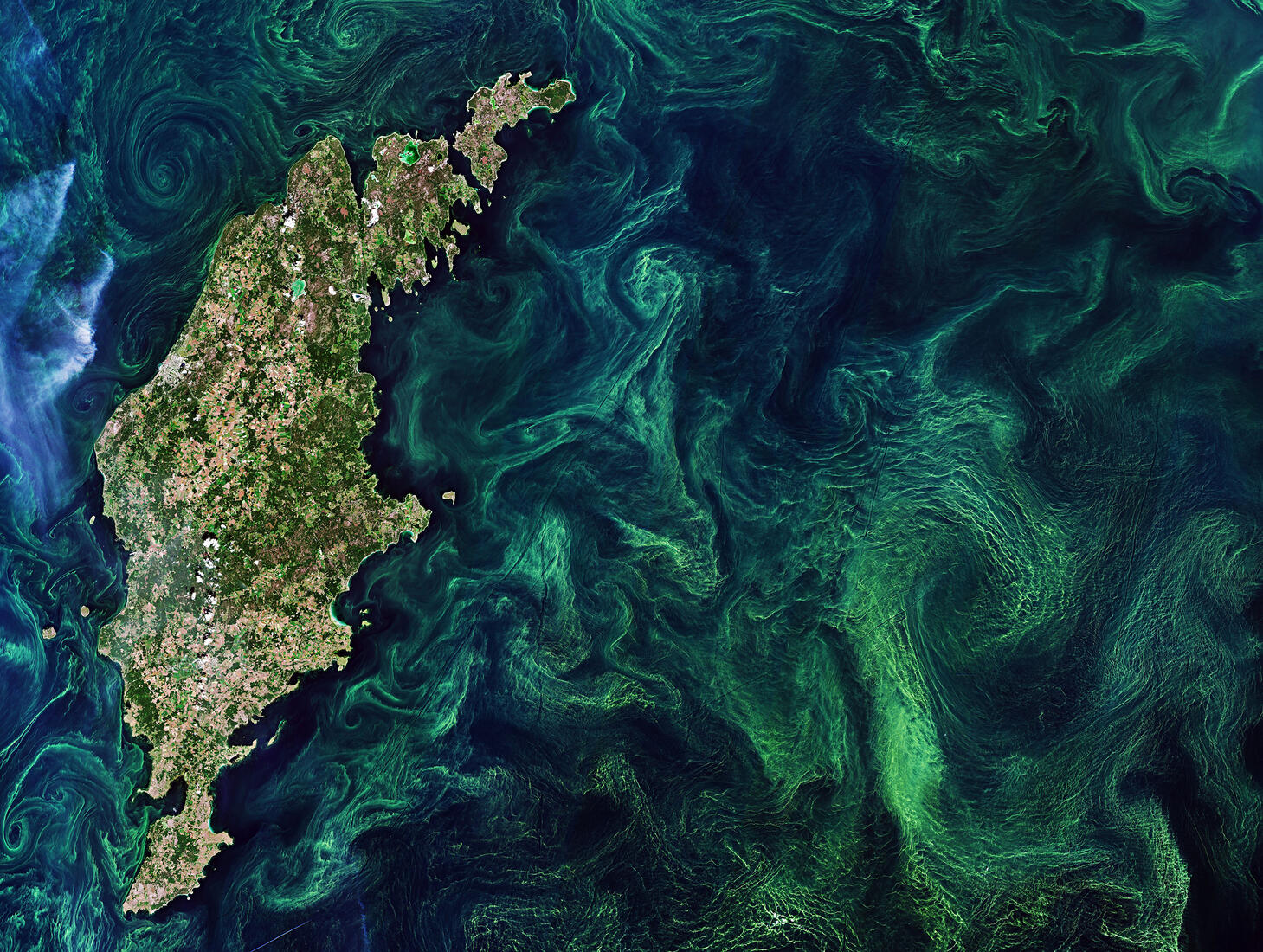
Eutrophication of the Baltic Sea, leading to oxygen depletion & ecosystem degradation. -
Subproblem:
Excessive phosphorus & nitrogen inputs from agriculture, industry, wastewater and other sources, contributing to algal blooms & oxygen depletion. -
Consequence:
Habitat loss & protection gaps, Low awareness & engagement, Loss of critical marine habitats -
Solution:
Reducing nutrient inputs at source, restoring coastal ecosystems & scaling up effective solutions through partnerships with agriculture, industry, researchers & authorities.
Race For The Baltic – Restoring a Healthy Baltic Sea
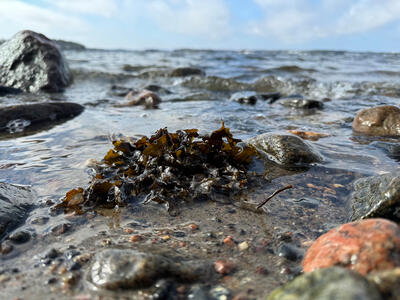
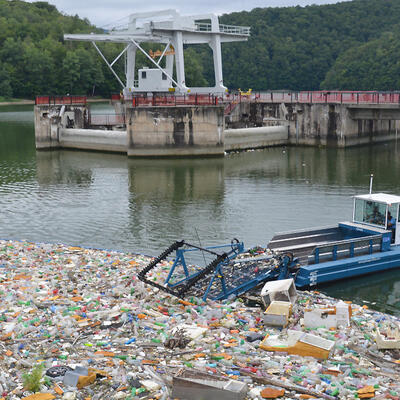
Race For The Baltic is an independent nonprofit organization with offices in Sweden and Poland, working to accelerate solutions for a healthy Baltic Sea by 2030. Founded by Zennström Philanthropies, the organization works with scientists, businesses, authorities and environmental partners to address one of the Baltic Sea's most serious environmental challenges: eutrophication. Excessive amounts of phosphorus and nitrogen enter the sea from agriculture, industry, wastewater and other land-based sources. These nutrients fuel algal blooms, contribute to oxygen depletion and threaten marine biodiversity.
Reducing Nutrient Pollution
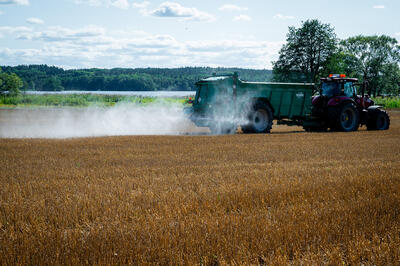
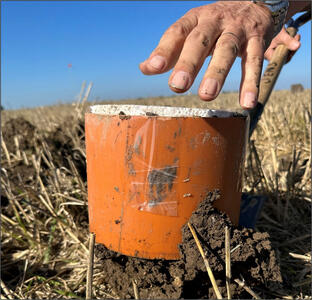
Race For The Baltic focuses on practical projects that prevent nutrients from entering the sea. Its work includes partnerships with fertilizer manufacturers and port operators to identify and reduce phosphorus losses during industrial production, storage and handling. The GYPREG project tests and promotes gypsum treatment of agricultural soils to reduce phosphorus runoff and soil erosion. These approaches aim to address pollution at its source while delivering measurable and cost-effective environmental benefits.
Restoring Coastal Ecosystems
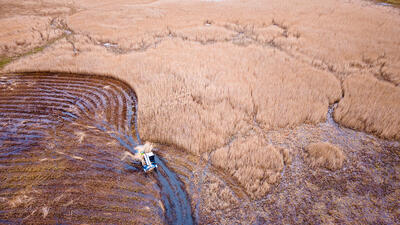
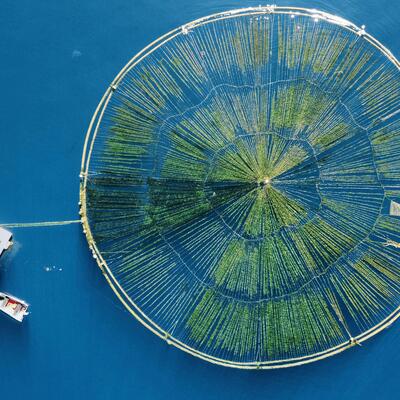
The organization also develops and supports restoration projects along the Baltic coast. Its initiatives include improving water quality in coastal bays, reducing internal phosphorus loading from sediments, restoring coastal habitats and removing nutrients through common reed harvesting. Projects such as Resilient Sea and Restoration Gotland bring together research, local stakeholders and practical environmental management to identify, test and implement effective restoration measures.Through the ReCreate BioBased project, Race For The Baltic promotes the use of harvested reed in sustainable products, helping remove nutrients from the Baltic Sea.
Connecting Science and Action
Race For The Baltic works across national borders, collaborating with researchers, businesses, municipalities and policymakers. Its approach emphasizes measurable environmental benefits, cost-effective interventions and solutions that can be scaled up across the Baltic Sea region. Rather than focusing exclusively on awareness campaigns, the organization seeks to translate scientific knowledge into practical changes in agriculture, industry and coastal management.
A Healthier Baltic Sea by 2030
Race For The Baltic has set an ambitious goal of reducing annual phosphorus inputs to the Baltic Sea by 500 tonnes by 2030, contributing to the region's agreed nutrient reduction targets. By addressing the sources of eutrophication and accelerating ecosystem restoration, the organization aims to help the Baltic Sea recover from eutrophication and support healthier marine habitats for future generations.
Photo Credits by: ©RFTB, ©RAWS, ©ESA, ©Ida_Åkesson, ©Jens Blomquist
https://www.raceforthebaltic.com/