Marine Conservation Cambodia


-
Main problem:
Destructive fishing & marine habitat loss -
Subproblem:
Illegal trawling, declining seagrass meadows & threats to marine wildlife -
Consequence:
Overfishing & depletion of fish stocks, Loss of critical marine habitats, Biodiversity loss & species extinction -
Solution:
Habitat protection, marine research & community-led sustainable fisheries
Marine Conservation Cambodia – Bringing Life Back to Cambodia’s Coastal Waters
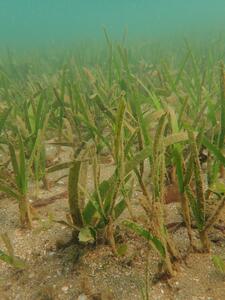
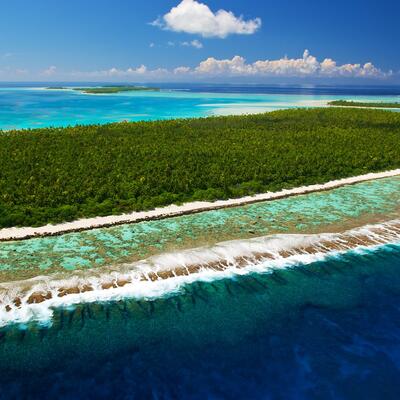
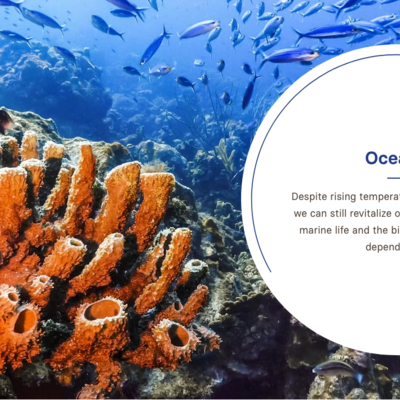
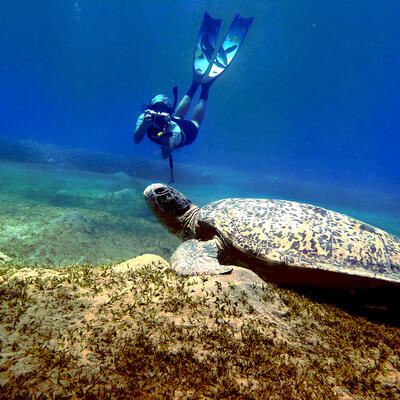
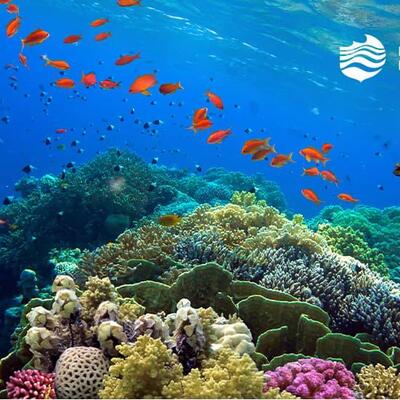
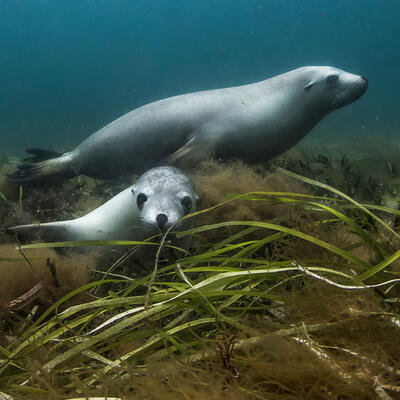
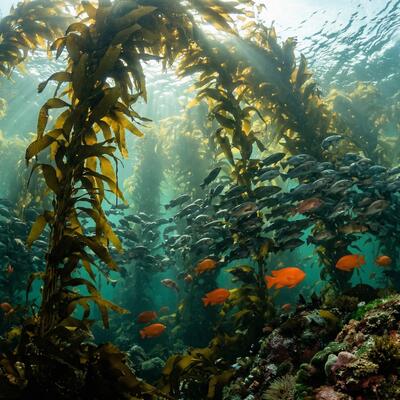
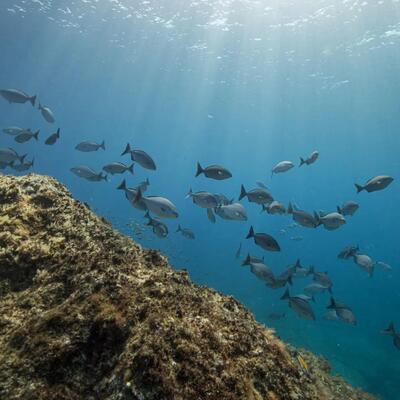
Beneath the waters of Cambodia’s southern coastline lies a remarkable world of seagrass meadows, coral habitats and marine wildlife. These ecosystems provide shelter for seahorses, feeding grounds for dugongs and vital resources for coastal fishing communities. Protecting them means safeguarding both marine life and the people whose future depends on a healthy ocean. Founded in 2008, Marine Conservation Cambodia works to protect and restore this underwater world through scientific research, practical conservation and close collaboration with local communities.
Understanding the Ocean to Protect It
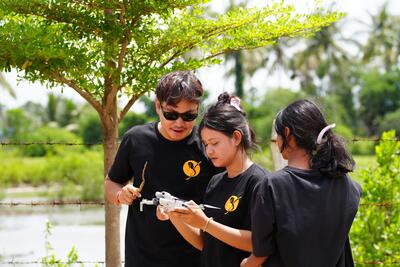
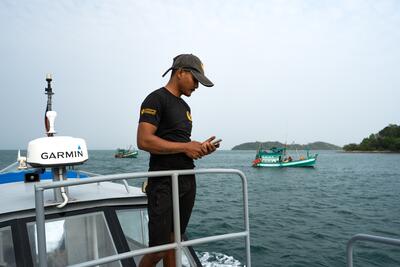
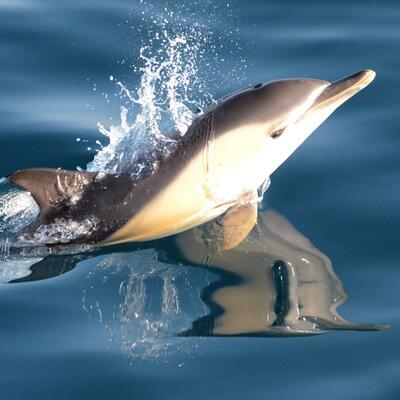
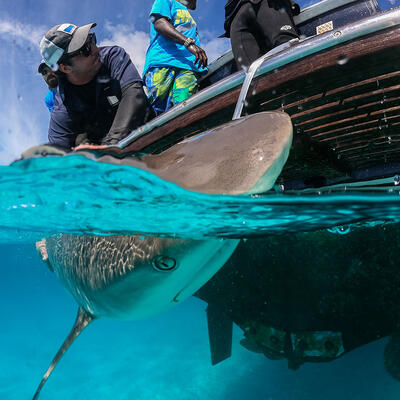
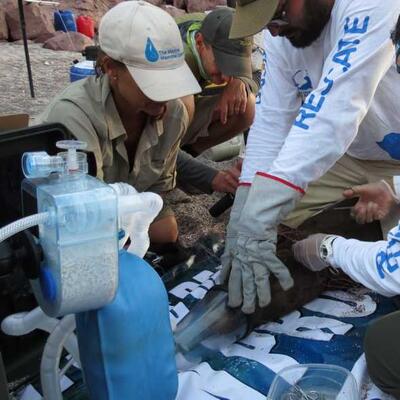
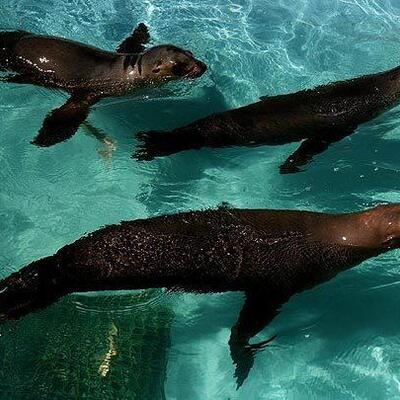
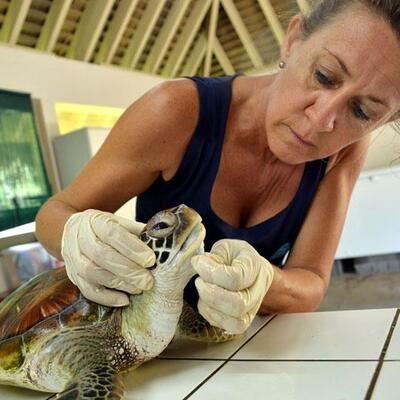
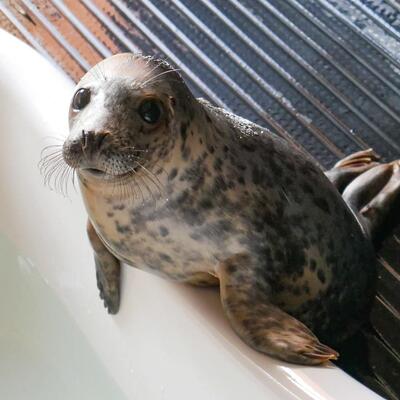
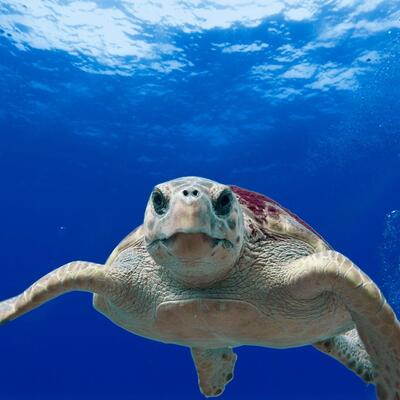
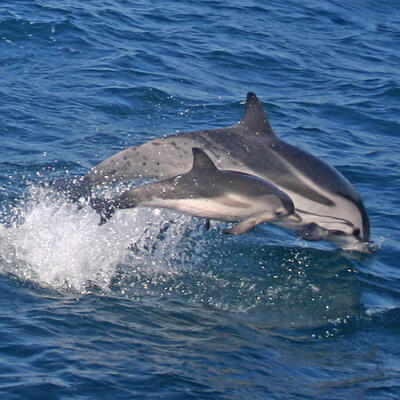
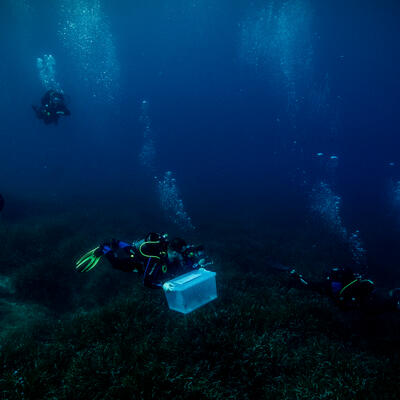
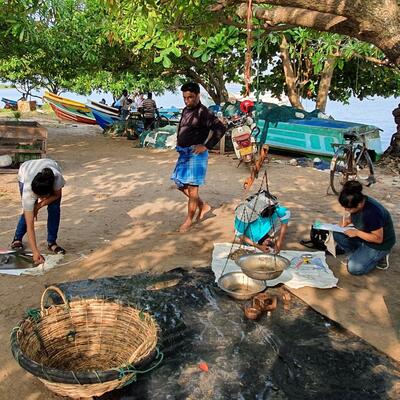
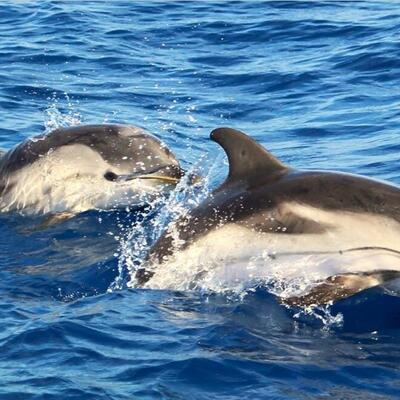
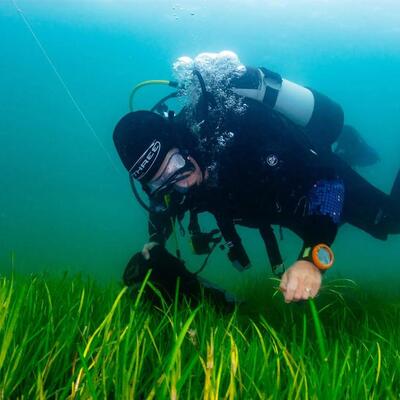
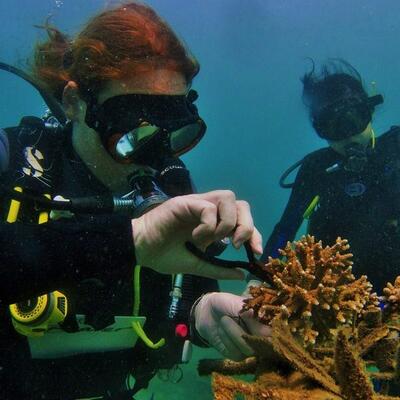
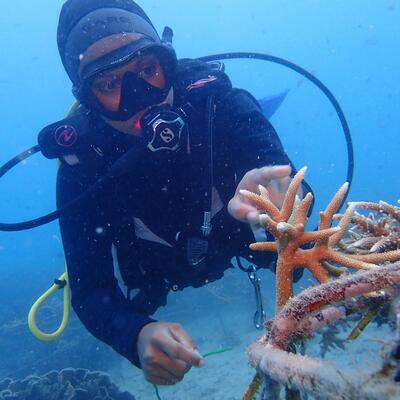
From its island base on Koh Ach Seh in the Kep Archipelago, the team studies the habitats and species that make Cambodia’s coastal waters so valuable. Its work includes monitoring seagrass meadows, surveying seahorse populations and researching marine mammals, including Irrawaddy dolphins and dugongs. These observations help identify threats, guide conservation decisions and track changes in the marine environment over time.
Creating Space for Nature to Recover
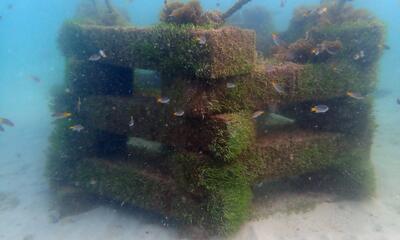
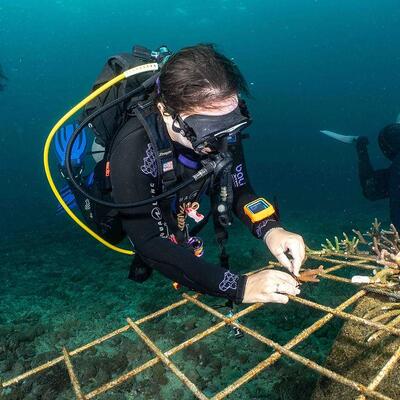
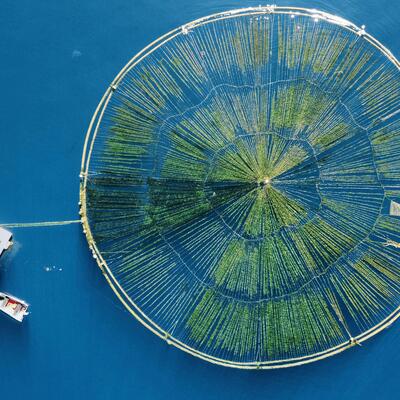
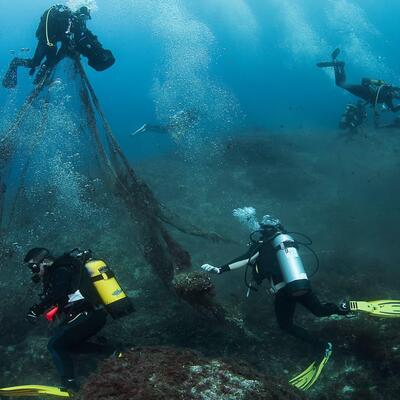
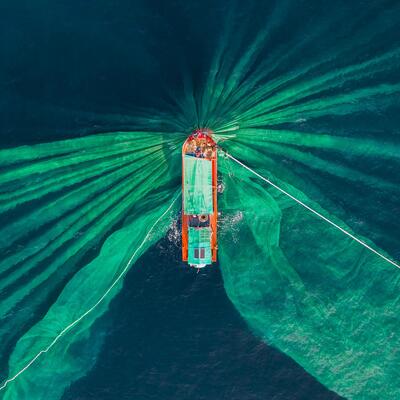
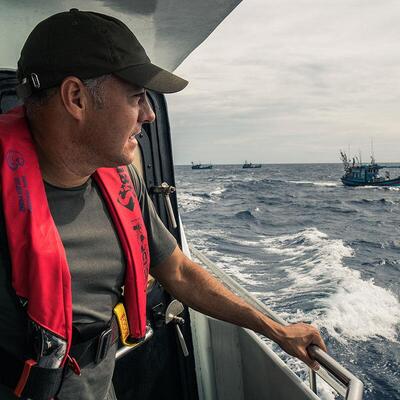
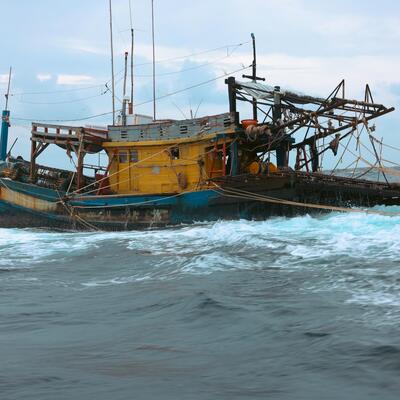
Destructive fishing can damage seabed habitats and undermine the livelihoods of the communities that depend on them. Marine Conservation Cambodia tackles this challenge through habitat protection and collaboration with fishers and government partners. One of its practical approaches is the deployment of Fishery Productivity Structures. These underwater structures help protect sensitive areas from destructive trawling and provide surfaces and shelter for marine life. The organization also contributes to the establishment and management of Marine Fisheries Management Areas, connecting research with lasting protection.
Conservation That Includes Coastal Communities
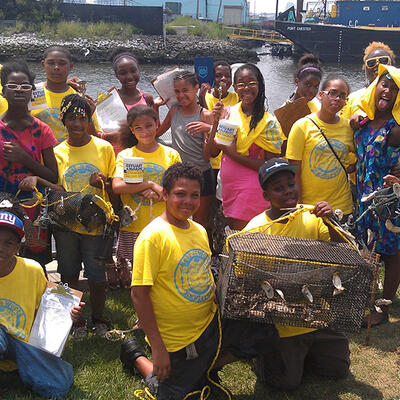
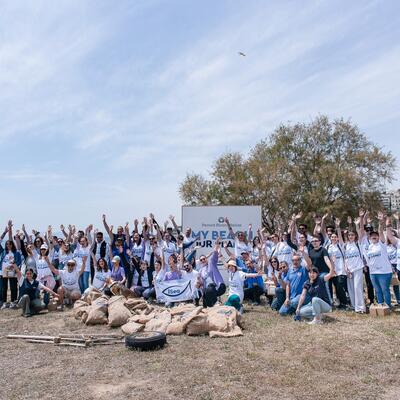
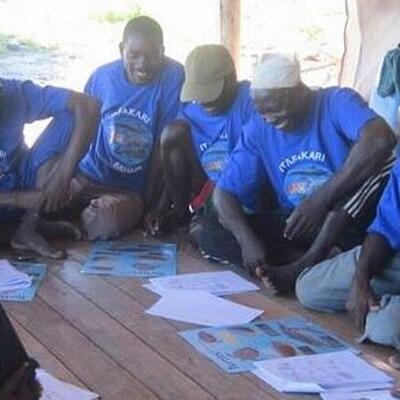
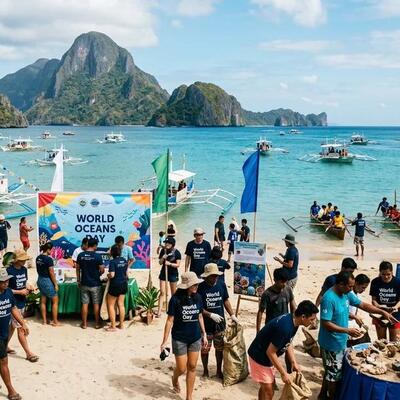
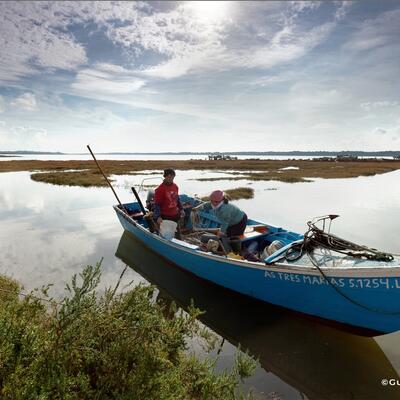
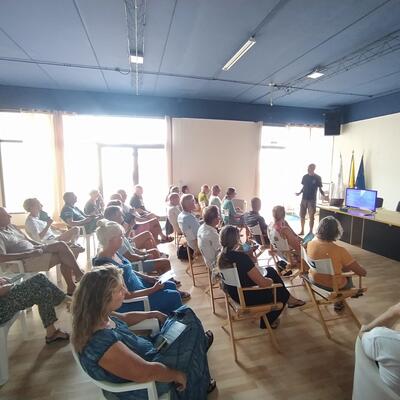
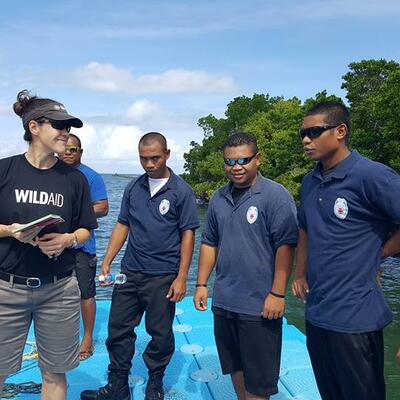
Healthy seas and thriving coastal communities belong together. Marine Conservation Cambodia works alongside local people to encourage sustainable fishing practices and develop alternative livelihoods that reduce pressure on marine ecosystems. Education and outreach are central to this approach. By involving schools, university students and fishing communities, the organization helps build the knowledge and local participation needed for conservation to endure.
A Place to Learn and Make a Difference
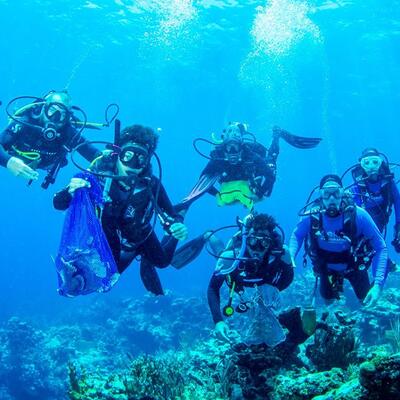
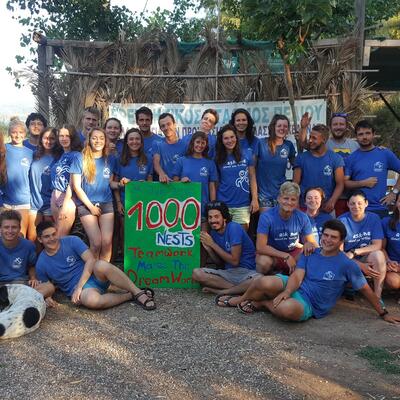
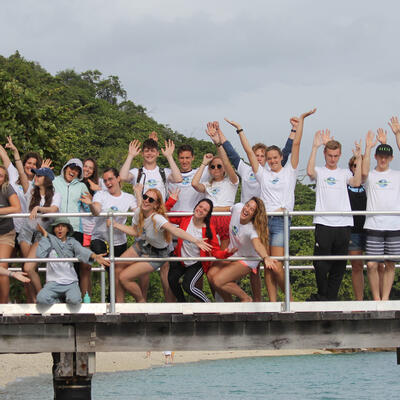
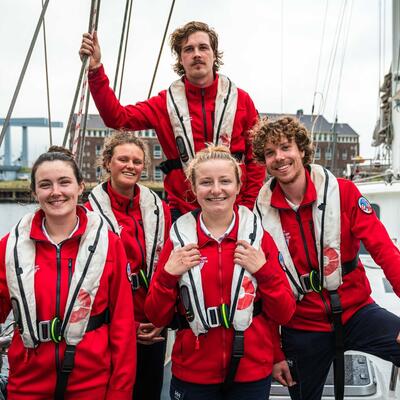
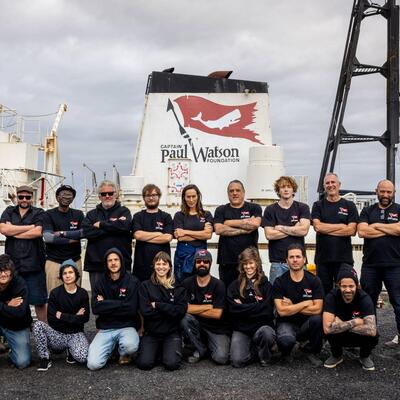
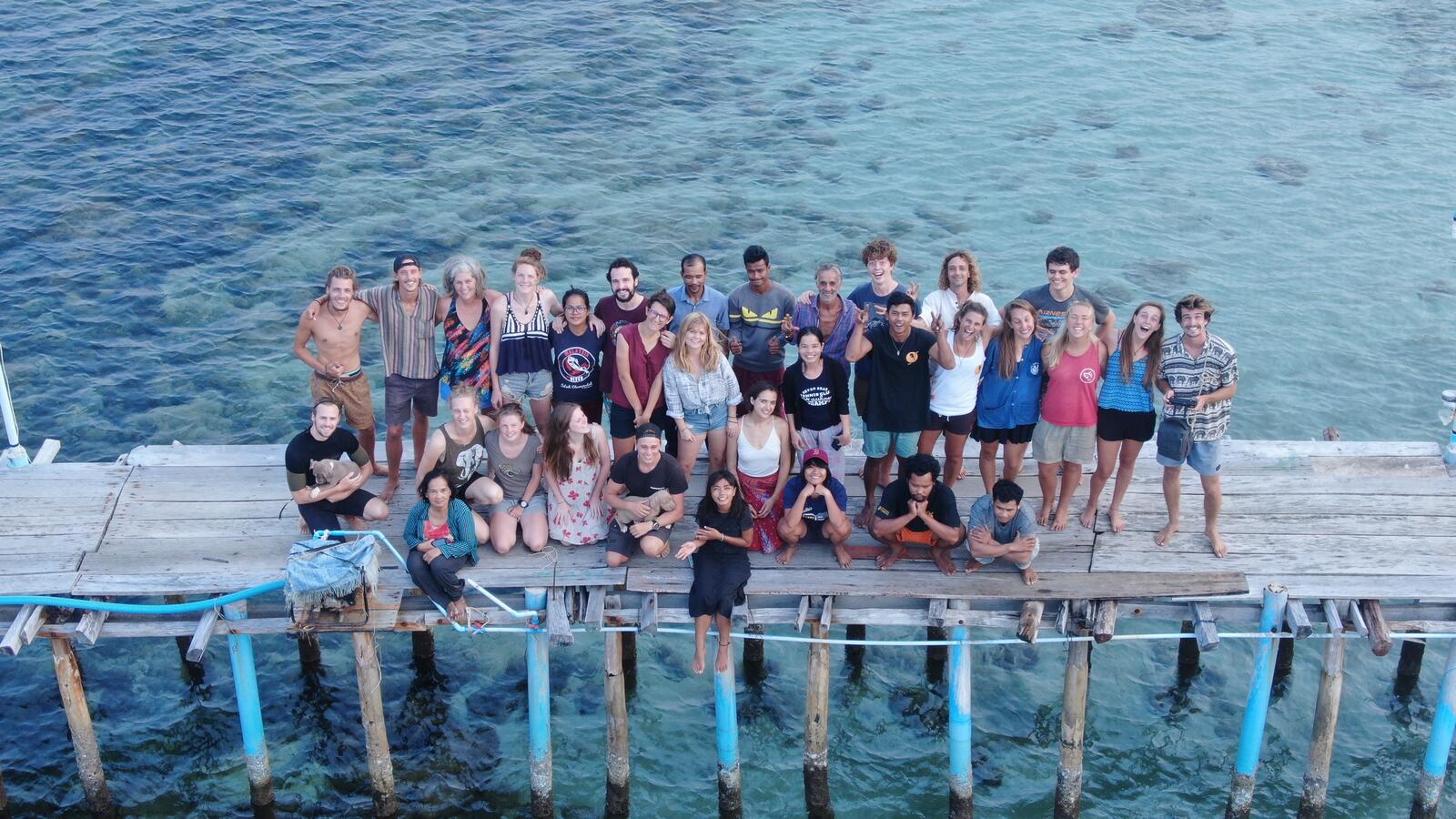
Volunteers and academic interns contribute to fieldwork and everyday conservation activities. Depending on their skills and training, they can support marine research, habitat monitoring and other practical projects. Through this combination of science, community involvement and direct action, Marine Conservation Cambodia is working toward a future where coastal ecosystems can recover—and where the people who depend on them can continue to thrive.
Photo Credits by:©MarineConservationCambodia
https://www.marineconservationcambodia.org/