The Plastic Bank


-
Main problem:
Plastic pollution & economic inequality -
Subproblem:
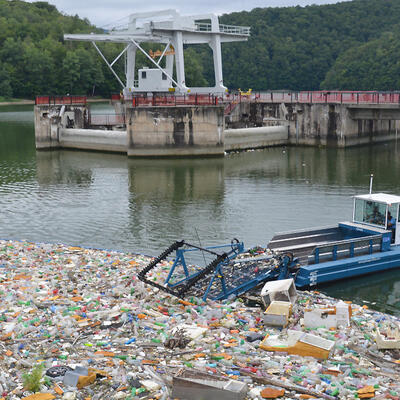
Inadequate waste collection, low incomes & plastic leakage into waterways -
Consequence:
Marine pollution & ecosystem damage, Resource depletion & waste buildup -
Solution:
Paid plastic collection, digital rewards, recycling & community empowerment
Plastic Bank – Turning Plastic Waste into Opportunity
What if discarded plastic could become a source of income instead of a threat to our oceans?
Plastic Bank is a Canadian social enterprise that combines environmental protection with economic opportunity. Founded in 2013 by David Katz and Shaun Frankson, it helps communities recover discarded plastic before it reaches rivers and oceans, while providing collectors with income and access to essential social benefits.
Making Plastic Too Valuable to Throw Away
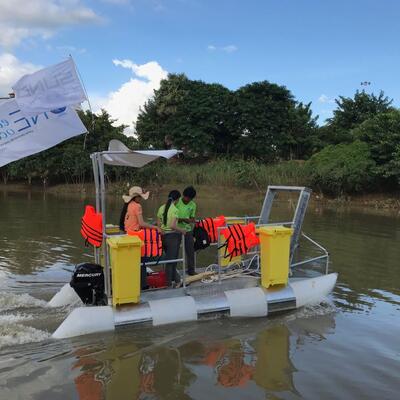
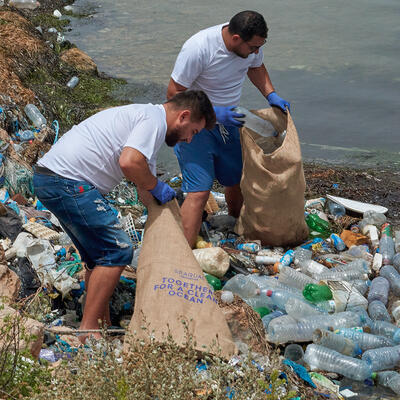
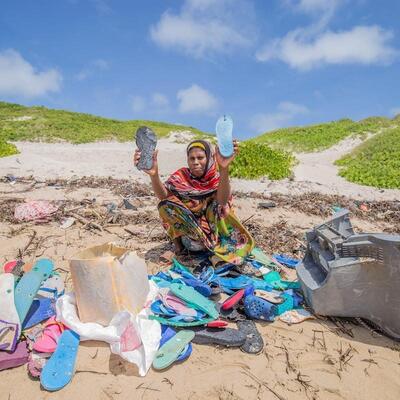
Plastic pollution is especially challenging in communities where waste collection infrastructure is limited and economic opportunities are scarce. Plastic Bank addresses both problems through a network of local collection branches. Community members gather discarded plastic from streets, beaches and waterways and exchange it for payment and additional benefits. Depending on the location and program, these benefits may include grocery support, health coverage, school supplies and access to financial services. The result is a system in which collecting plastic creates tangible value for people and the environment.
Technology That Makes Impact Traceable
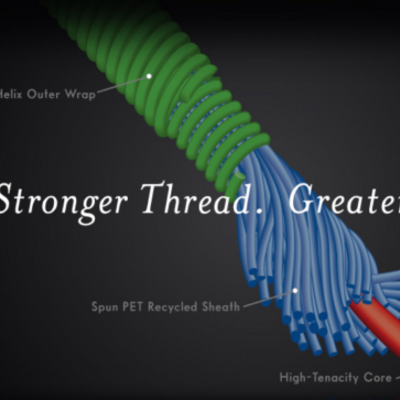
At the heart of Plastic Bank's model is a digital platform that records plastic collection, payments and material movements. Its blockchain-secured system helps verify transactions, document social benefits and provide traceable environmental impact data to participating businesses. Companies and individuals can fund plastic recovery through collection programs and plastic credits, supporting local recycling economies. Collected materials are transferred to recycling partners and processed into feedstock that can be used in new products and packaging.
Real Results for People and the Planet
According to Plastic Bank's 2025 Sustainability Report, its global collection network recovered 28.2 million kilograms of plastic during the year, equivalent to approximately 1.4 billion plastic bottles. The program supported 27,625 collectors across six countries, helping create income opportunities in communities affected by poverty and plastic pollution. Plastic Bank also supported recycling education and collection facilities in 164 schools. These results demonstrate how environmental protection can be connected with measurable social and economic benefits.
Building a Circular Economy
Plastic Bank works with international brands, recycling partners and local entrepreneurs to strengthen plastic recovery systems and reduce reliance on virgin materials. Its Social Plastic® initiative connects recovered plastic with businesses seeking recycled materials, while its digital impact programs help finance further collection activities. By turning waste into an economic resource, Plastic Bank aims to prevent plastic pollution, strengthen local communities and support a more inclusive circular economy.
A Future Where Plastic Has Value
Plastic Bank demonstrates that ocean protection and poverty reduction do not have to be separate challenges. By rewarding people for recovering discarded plastic, it creates a practical incentive to keep waste out of the environment while improving livelihoods. Its approach offers a powerful example of how business innovation, community participation and recycling can work together to protect our planet.
Photo Credits by: ©yorkhovest
https://www.plasticbank.com/